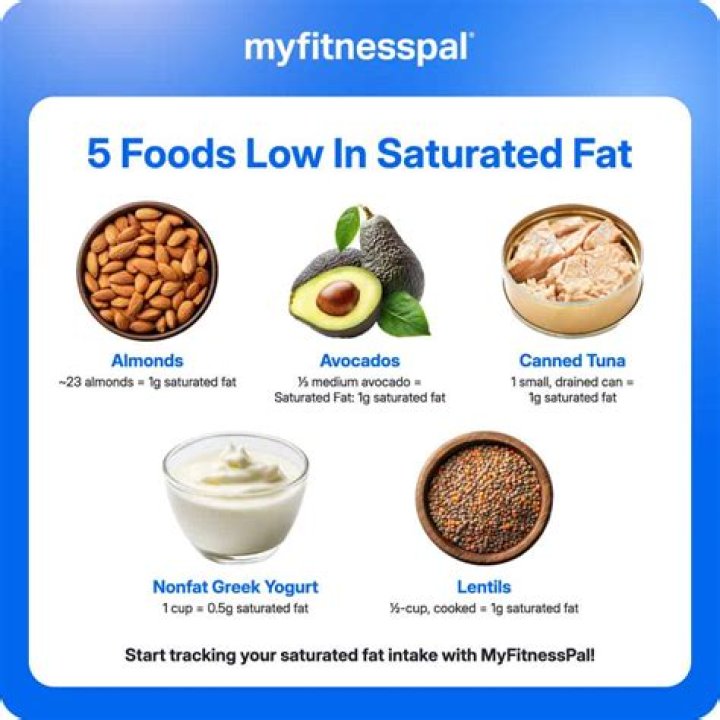
How do you reduce saturated fat in a recipe?
trim visible fat and take the skin off meat and poultry before cooking it. choose leaner cuts of meat that are lower in fat, such as turkey breast and reduced-fat mince. make your meat stews and curries go further by adding vegetables and beans. try reduced-fat spreads, such as spreads based on olive or sunflower oils.
How could if needed to saturated fat intake be lowered?
To limit the amount of saturated fats you eat, choose lower-fat and lean options of dairy, meat, and poultry — like skim milk, lean beef, and grilled chicken breast without the skin. Eating too many foods high in saturated fats can be bad for your health.
How is saturated fat broken down?
Eating foods that have too much saturated fat, and too little unsaturated fat, changes the way the liver handles cholesterol. Our liver cells have LDL receptors on them. When LDL cholesterol passes by in the blood, the receptor takes the cholesterol out of the blood and into the liver to be broken down.
Why should we reduce the amount of saturated fat?
Too much fat in your diet, especially saturated fats, can raise your cholesterol, which increases the risk of heart disease. Current UK government guidelines advise cutting down on all fats and replacing saturated fat with some unsaturated fat.
Does saturated fat cause belly?
Eating saturated fat leads to the accumulation of more visceral fat and less muscle mass than eating polyunsaturated fat, according to new research published in the journal Diabetes.
What foods are lower in saturated fat than sauce?
It’s lower in saturated fat than a creamy or cheesy sauce. Milk: use 1% fat milk on your cereal and in hot drinks. It has about half the saturated fat of semi-skimmed. Cheese: when using cheese to flavour a dish or sauce, try a strong-tasting cheese, such as reduced-fat mature cheddar, as you’ll need less.
How to reduce the amount of saturated fat in your diet?
These tips can help you cut the total amount of fat in your diet: Compare food labels when shopping so you can pick foods lower in fat. Choose lower-fat or reduced-fat dairy products. Grill, bake, poach or steam food rather than frying or roasting. Measure oil with a teaspoon to control the amount you use, or use an oil spray.
How to cut down on salt and fat?
To cut down on fat and salt generally, eat fewer fried foods like samosas, bhajias, chevda, puris and ganthia. Try brushing samosas or kachoris with oil and baking in the oven till crisp. Even if you use a fair amount of oil, it’s likely to be lower in fat than if you had fried them.
What to replace fat with in baking recipe?
The trick here is knowing the magical minimum of fat is for the particular recipe you’re using. Keep in mind that when you take fat out, you often have to replace it with another moist ingredient (like fat-free sour cream, applesauce, light cream cheese, or orange juice). Eat smaller servings.
Which is the best way to reduce saturated fat?
Substitute ground turkey or chicken for ground beef. Remove the skin from chicken before cooking. 3. Eat leaner cuts of beef and pork, and trim as much visible fat as possible before cooking. 4. Bake, broil, or grill meats; avoid frying. Avoid breaded meats and vegetables. 5. Use fat-free or reduced-fat milk instead of whole milk.
Are there any recipes that are low in saturated fat?
These recipes for breakfast, lunch, and dinner are all low in saturated fat—great news for your heart! Pancakes are a morning staple, but they aren’t all that healthy if made with milk and eggs and slathered with butter and syrup. This recipe uses applesauce to cut down on fat content and add some fiber as well.
How are unsaturated fats different from saturated fats?
Unsaturated fats are found in some foods and most oils. There are 2 types of unsaturated fats: monounsaturated fatty acids (MUFA) and polyunsaturated fatty acids (PUFA). While saturated fats have health risks, unsaturated fats have health benefits. Focus on getting unsaturated fats from:
How much saturated fat should you have in your diet?
The American Heart Association recommends aiming for a dietary pattern that achieves 5% to 6% of calories from saturated fat. For example, if you need about 2,000 calories a day, no more than 120 of them should come from saturated fat.
